Home Energy Storage System: The Ultimate Guide for Smart Homes 2026
- Share
- Issue Time
- Jun 2,2026
Summary
As rising electricity bills and frequent grid outages become common challenges for modern households worldwide, home energy storage systems have emerged as a must-have smart home solution. A residential energy storage system stores excess electricity generated by rooftop solar panels or off-peak grid power, providing reliable backup power, cutting energy costs, and helping homeowners achieve full energy independence.

What Is a Home Energy Storage System & How Does It Work?
Core Benefits of Installing a Home Energy Storage System
1. Slash Monthly Electricity Bills
2. Reliable Emergency Backup Power
3. Achieve Household Energy Independence
4. Eco-Friendly & Low-Carbon Living
5. Intelligent & Automatic Operation
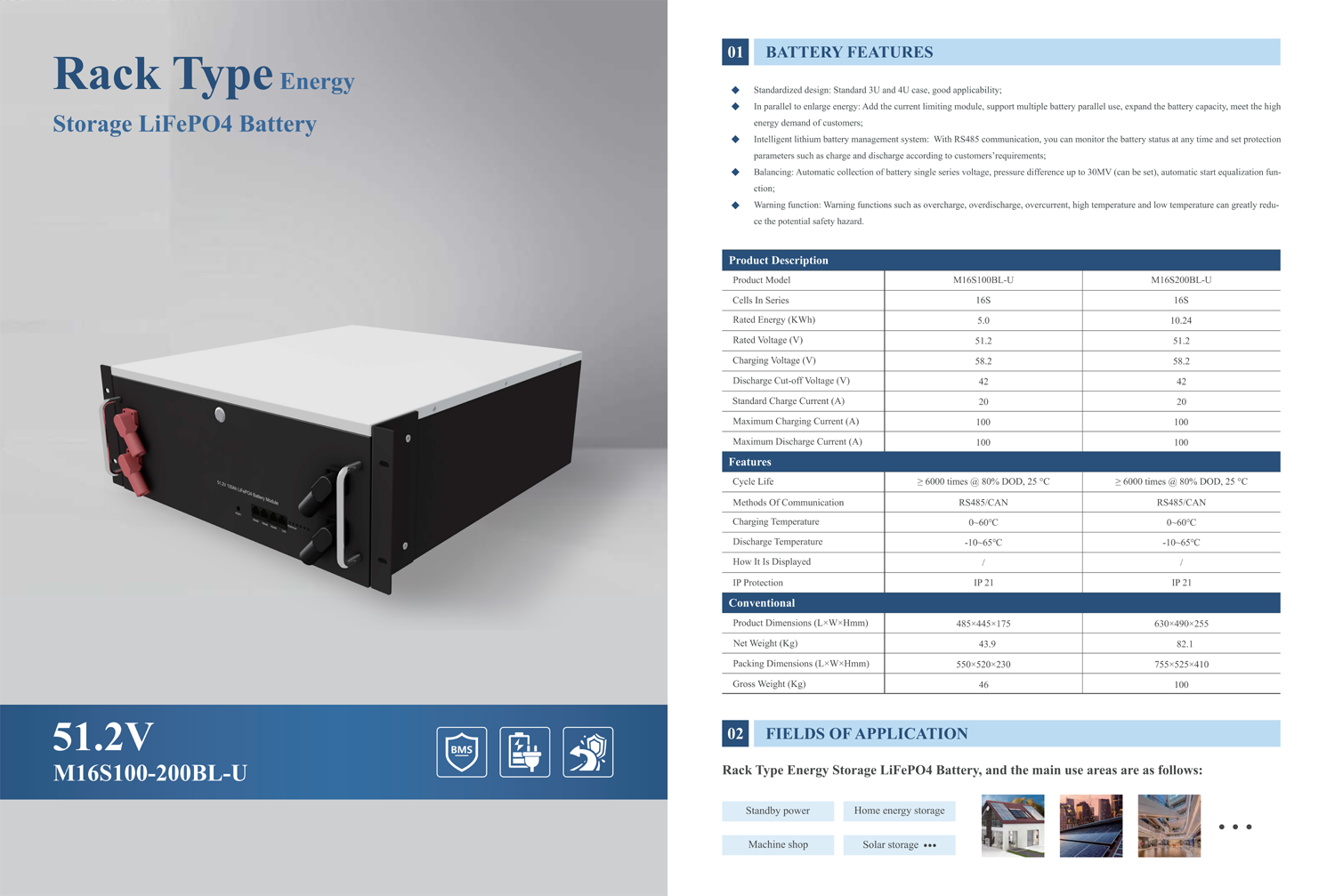
Home Energy Storage System Product Parameter Comparison Table
To help homeowners choose the most suitable residential battery storage device, we sorted out the core parameters and applicable scenarios of mainstream household energy storage products, covering small-capacity daily use models and large-capacity whole-house backup models:
|
Product Model |
Usable Capacity |
Rated Output Power |
Battery Type |
Cycle Life |
Installation Method |
Core Applicable Scenarios |
|
Small Residential Storage |
3kWh |
1.5kW |
LiFePO4 Lithium Battery |
6000+ Cycles |
Wall-mounted |
Small apartment, daily basic power supply, short-time power outage backup |
|
Standard Home Storage |
5kWh |
3kW |
LiFePO4 Lithium Battery |
6000+ Cycles |
Wall-mounted / Stackable |
Ordinary family, solar energy matching, peak shaving and valley filling, daily power saving |
|
High-Capacity Whole-House Storage |
10kWh |
6kW |
LiFePO4 Lithium Battery |
6500+ Cycles |
Stackable Floor-standing |
Large apartment / villa, whole-house power backup, long-term off-grid power supply |
|
Modular Expandable Storage |
15-20kWh (Expandable) |
10kW |
LiFePO4 Lithium Battery |
7000+ Cycles |
Combined Stackable |
High-power household appliances, all-weather off-grid energy independence, luxury villa energy management |
Key Factors to Choose the Best Home Energy Storage System
1. Battery Safety & Service Life
Priority should be given to home energy storage systems using LiFePO4 batteries. Compared with ternary lithium batteries, LiFePO4 batteries feature high safety, no spontaneous combustion risk, long cycle life, and stable performance, which are the mainstream choice for residential energy storage in 2026. A cycle life of more than 6000 times ensures more than 10 years of stable household use.
2. Matching Power & Capacity
Users need to select capacity and power according to household electricity demand. Small families with low power demand can choose 3-5kWh models for daily power saving and short backup; families with high-power appliances or off-grid demand are recommended to choose 10kWh and above large-capacity modular energy storage systems to meet whole-house power supply needs.
3. Installation & Compatibility
Wall-mounted and stackable designs are more suitable for household scenarios, saving indoor space. At the same time, confirm that the system is compatible with mainstream solar panel brands and grid voltage standards to ensure seamless docking and stable operation.
4. Intelligent Management Function
Excellent residential battery storage systems support mobile APP remote monitoring, intelligent peak regulation, and automatic fault detection. The intelligent system can optimize energy utilization strategies according to real-time electricity prices and household power consumption habits, further improving energy-saving efficiency.
FAQs About Home Energy Storage System
Q1: Can home energy storage work without solar panels?
Absolutely yes. The home energy storage system can independently store low-cost grid valley power and release it during peak hours or power outages. It can also be paired with solar panels to store clean solar energy, adapting to various household energy use scenarios.
Q2: Is residential battery storage safe for indoor use?
Modern qualified home energy storage products adopt multiple safety protections including overcharge, over-discharge, over-current, over-temperature, and short-circuit protection. Equipped with intelligent temperature control and fireproof materials, they are safe and reliable for long-term indoor operation.
Q3: How long is the service life of a home energy storage system?
High-quality LiFePO4 home energy storage systems have a cycle life of 6000-7000 times, with a normal service life of 10-15 years, which can meet the long-term energy needs of families.
Final Thoughts
In the era of rising energy costs and popular green energy, home energy storage systems have become a core facility for smart and low-carbon homes. It not only solves the pain points of high electricity bills and unstable grid power but also helps families realize energy independence and environmental protection. With diverse models from small-capacity daily use to large-capacity whole-house backup, residential battery storage can meet the personalized needs of different families, becoming the best energy investment for modern households in 2026.